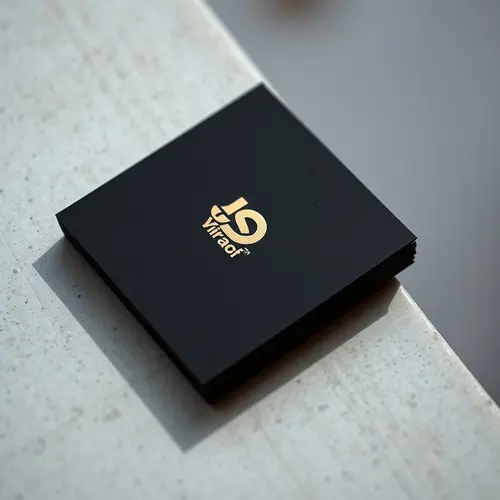
In an increasingly digital professional landscape, the humble physical card remains one of the most effective touchpoints in corporate networking. Understanding current business card trends helps executives, entrepreneurs, and sales leaders separate outdated promotional items from high-impact brand ambassadors that drive real engagement and conversion.
When a handshake turns into a prospective deal, the card you hand over serves as a tangible extension of your corporate identity. Adapting to modern design expectations ensures your brand projects credibility, innovation, and meticulous attention to detail.
Why Tracking Business Card Trends Matters for Brand Identity
A well-crafted business card acts as a silent ambassador for your company. When its visual language aligns seamlessly with core brand values, recipients instantly connect your organization with professional rigor. Research published by the Small Business Administration (SBA) indicates that consistent visual touchpoints across offline and online collateral can increase brand recall by up to 42 percent.
Today’s corporate environment demands more than standard card stock and basic black text. Modern recipients expect engaging tactile elements, interactive digital features, and sustainable material choices that reflect a forward-thinking ethos. Failing to adapt to evolving business card trends risks signaling to potential clients and investors that your organization is stuck in the past, directly undercutting the momentum of follow-up conversations.
Core Drivers Behind Modern Business Card Trends
Current visual and functional shifts in card design reflect broader movements across graphic design, sustainable manufacturing, and hybrid communications.
1. Minimalist Layouts and High-Contrast Typography
Cluttered designs with excessive body copy have given way to generous white space and strategic visual hierarchy. Bold, carefully selected typography paired with a restricted color palette allows essential information—such as name, title, and primary contact channel—to stand out instantly without visual noise.
2. Tactile Textures and Premium Finishes
As purely digital interactions increase, physical tactile feedback becomes a primary differentiator. Designers increasingly leverage specialized finishes such as spot UV coatings, metallic foil stamping, embossed lettering, and soft-touch lamination. These subtle physical details create a premium sensory experience that elevates perceived brand value the moment a card changes hands.
3. Integrated Scannable Technology
The line between physical and digital networking continues to blur. Modern cards feature embedded QR codes or Near Field Communication (NFC) chips that link directly to digital portfolios, scheduling tools, landing pages, or vCards. This hybrid approach enables contactless data transfer while giving marketing teams measurable engagement metrics.
Traditional vs. Modern Business Card Approaches
To understand how quickly design expectations have evolved, compare baseline features of traditional card production against modern industry standards:
Design Element
Traditional Approach
Modern Trend Approach
Primary Materials
Standard 300gsm coated paper stock
Recycled cotton, bamboo, FSC-certified wood, or metal inserts
4–6 hours incorporating custom strategy and brand consultation
Interactive Utility
Purely visual and informational
Hybrid physical-to-digital bridge for direct engagement analytics
Actionable Rules for Implementing Business Card Trends
Adopting modern design principles requires balancing aesthetic appeal with practical utility. Apply these evidence-based constraints during your next printing run:
Maintain Typographic Legibility: Set body text to a minimum font size of 8 pt to ensure comfortable readability across various lighting conditions.
Restrict the Color Palette: Limit your visual identity to two primary brand hues plus a single accent color to prevent visual clutter.
Incorporate Approachable Geometry: Consider subtle rounded corners to give the card a refined silhouette that resists corner wear in wallets.
Prioritize Sustainable Card Stock: Opt for recycled cotton, post-consumer waste paper, or bamboo fibers to appeal to environmentally conscious stakeholders.
Verify Scannability: Test all printed QR codes at a minimum size of 1 cm × 1 cm across multiple mobile device cameras prior to executing a full print run.
Measuring business card trends ROI: A Real-World Case Study
The financial impact of staying aligned with current business card trends extends far beyond pure aesthetics. Consider a recent initiative by a growing fin-tech firm looking to improve post-conference engagement.
The team updated their generic networking cards to a custom matte-black cotton base featuring copper foil typography and an unobtrusive QR code linked directly to an interactive investor deck. According to tracking data shared with the Design Management Institute, the company recorded a 27 percent increase in scheduled follow-up meetings over a three-month post-event monitoring window. By turning a static piece of paper into a frictionless digital entry point, the company dramatically increased sales funnel conversion.
Balancing business card trends Aesthetics with Functional Utility
Design experts agree that the most successful business cards strike a delicate balance between visual flair and raw functionality. Over-embellishing a card with multiple foil colors, heavy graphics, or busy textures distracts from essential contact details, while overly sparse minimalism risks failing to convey brand personality altogether.
The operational sweet spot lies in selecting one premium tactile finish (such as spot UV or soft-touch stock) and one interactive digital element (such as an embedded QR code or NFC chip). Before committing to a large-scale print production order, distribute a short run of prototype cards among trusted peers to gather qualitative feedback on readability, tactile feel, and technical reliability.
When executed with strategic intent, monitoring and applying modern business card trends turns a routine corporate formality into a durable, high-converting brand touch point.
Sarah Miller covers local business growth since 2020, testing 60+ marketing tactics and business tools on cost, reach, and results to help local owners and entrepreneurs choose with confidence.